Nutritional Variability in Crops Across Different Farms
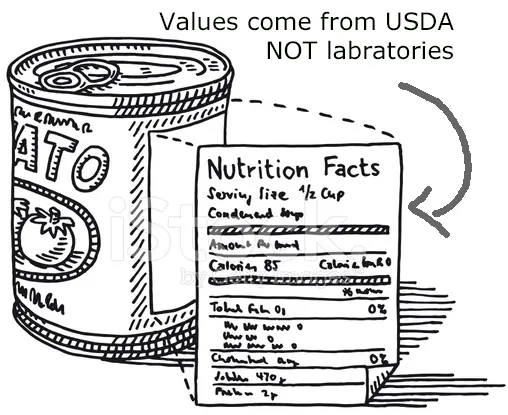
Testing the nutritional content of each ingredient is crucial because the assumption that buying organic broccoli from Whole Foods supermarket will fulfill our nutritional requirements is misleading. Broccoli grown on one farm differs significantly from another. The USDA nutritional analysis database is regarded as the global standard for determining the nutritional values of foods. Europe, Asia, Australia, and others rely heavily on USDA values for scientific research and nutritional labeling on packaging. However, there are many flaws:
- The nutritional values are based on averages.
- Most foods haven’t been tested in over 20 years.
- The location and number of samples tested have no rhyme or reason.
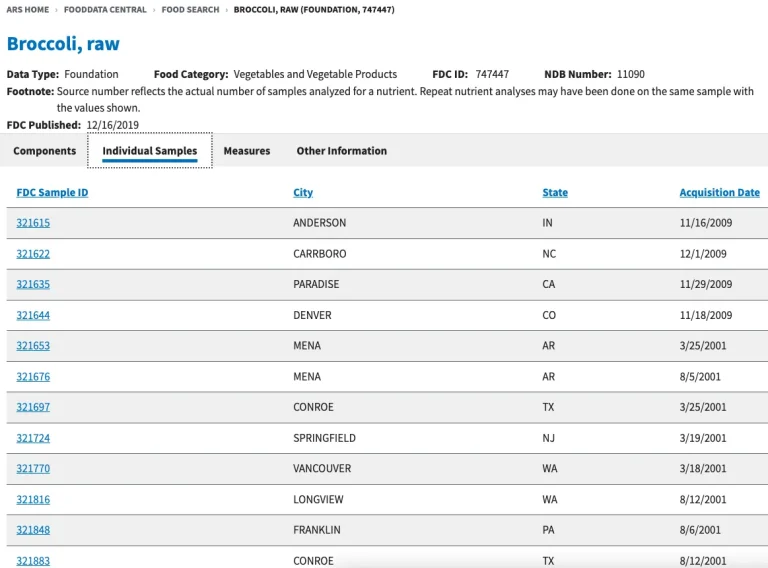
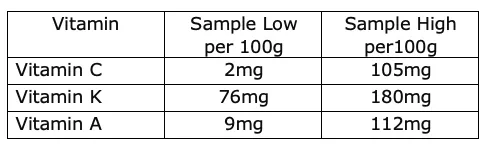
The USDA conducted its most recent analysis of broccoli’s nutritional values in 2009.1 During this analysis, samples were collected and tested, and the results were averaged to establish mean values. It’s important to note that while some nutrients exhibit minimal variance between samples, others demonstrate significant differences. For a detailed breakdown, refer to the live USDA nutrient table10 for broccoli, focusing particularly on the variability in calcium, magnesium, vitamin C, and folate.

“What if you’re the poor sucker who’s always buying the food with the lowest value???”
“You mean to tell me the quality of the soil is the same as 20+ years ago?”
“In the last 20 years, GMOs, pesticides, and herbicides, acid rain have come to a farm near you!”
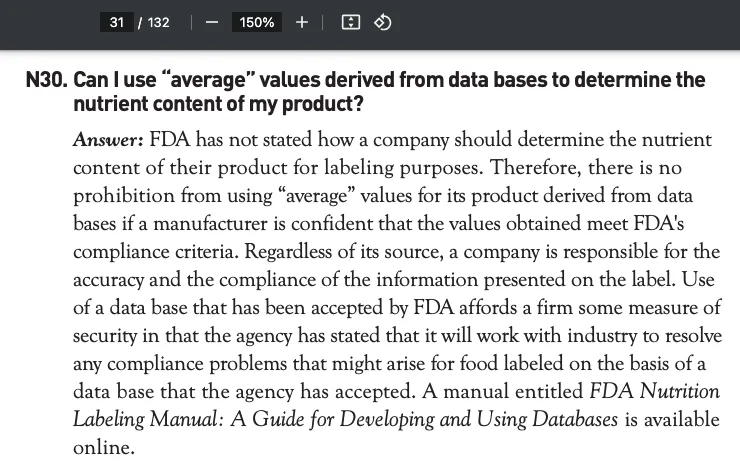
Evidence #2 - Countless studies have underscored the variability in nutritional value affected by factors such as location, genetics, environment, and farming practices: (In their own words)
“The content of the phytochemical compounds in fruits and vegetables and their stability during food processing vary depending on the geographical locations of the growers, the type and cultivar of fruits and vegetables (the food matrix), and the growth condition. It is interestingly observed that most of the cultivars grown in the Otago region have a very high content of anthocyanins and vitamin C (particularly carrots) compared to the respective commodities in some countries located in the Northern Hemisphere. Different growth conditions and environmental stress (such as high exposure to UV light, and temperature) could be important factors influencing the levels of bioactive content as a result of the plant defense response. Therefore, to secure the micronutrient intake and to improve human health and the prevention of chronic diseases, different types of fruits and vegetables coming from different locations should be considered in one’s daily diet” (Leong et al., 2011).
“Red peppers are a remarkable source of nutrients in the human diet. However, comprehensive studies have not reported on the effects of genotype, cultivation region, and year on pepper fruit characteristics. The % variability analysis demonstrated that environment (location and year) and genotype-environment interaction contributed more to the nutritional contents than genotype alone” (Kim et al., 2019).
“The variability for minerals and antinutrients among the eight genotypes can be utilized in breeding programs designed for crop improvement. The levels of most of the minerals were higher in tubers grown in the drier location (Ibadan) when compared to the wet location (Onne), implying that a yellow yam genotype grown in one location can have higher mineral contents than in another location” (Akin-Idowu et al., 2008).
‘In conclusion, nutrients and energy contents in corn, wheat, and barley from various origins investigated in the present study were different. Therefore, it is important to consider these variations when formulating animal feed” (Lee et al., 2016).
Conclusion:
We must eat!
We are limited by calories, finances, knowledge, accessibility, and location.
There is a need for an organization that reinvents what we eat.
Food Science Laboratory & Testing
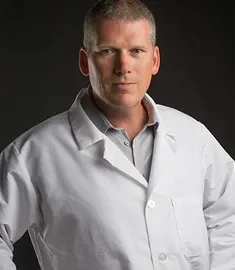
Nutrient testing is expensive and challenging. Partnering with an independent food science laboratory is necessary. I can think of no one more qualified and trustworthy than Mr. Mike Adams, who owns and operates CWCLabs, a million-dollar ISO-17052 accredited food science laboratory. Mr. Adams’ dedication to health, nutrition, technology, and decentralization makes him the only person I can truly see capable of bringing this nutrition revolution to life.
It should also be known that all of Mike Adam’s businesses are located in the great state of Texas.
CWCLabs.com
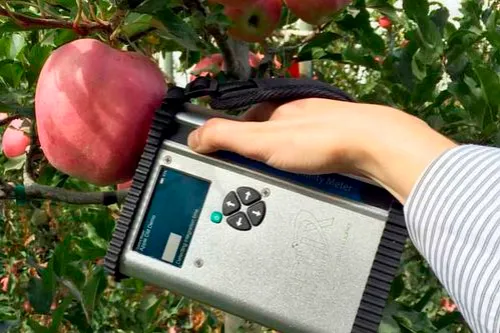
Felix Instruments has developed a portable hand-held near-infrared spectroscopy instrument that can potentially measure nutrients in crops with enough training. The cost is relatively low, around $10,000 per unit, and can offer valuable insights to farmers and us while we try to source the most nutrient-rich ingredients. Further research into measurement instruments is needed, as well as consulting with an agricultural chemists.
The Future Starts Today
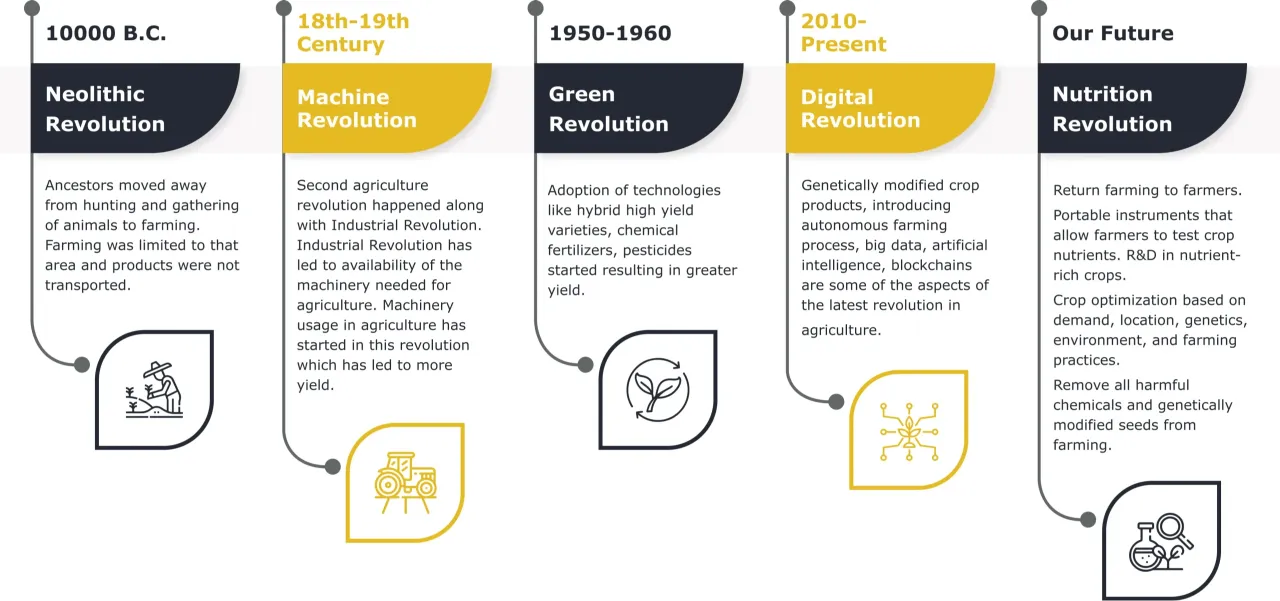
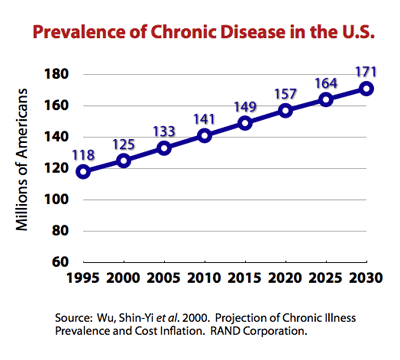
Our health depends on what we eat, and unfortunately, since the Green Revolution, chronic illness has skyrocketed.
We can debate for days on correlation and causation, OR we can just admit that something is wrong and something needs to change, and food is a great place to start.
Dr. Mercola has posted an incredible analysis of dietary trends from our ancestors, written by Ashley Armstrong, which is both supported and mind-blowing. Read Here
Revolutions